No connection, no care

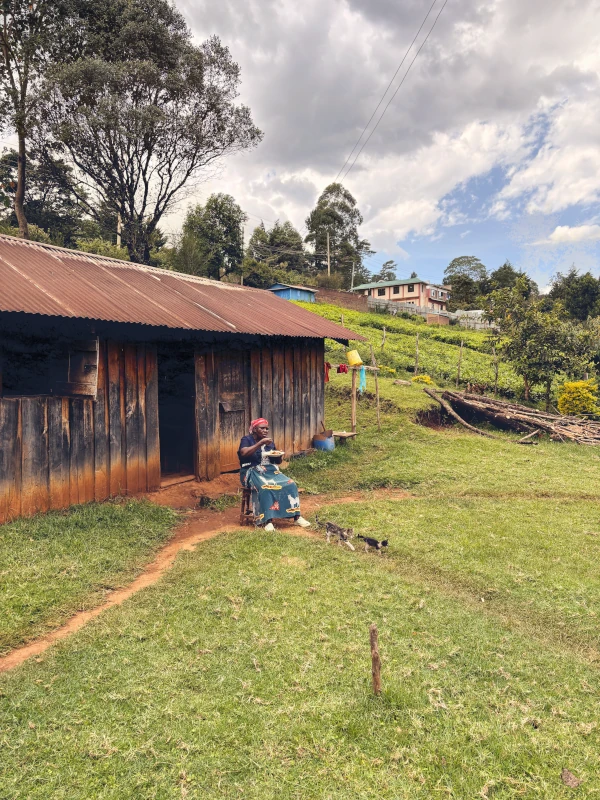
Every clinical technology we deploy assumes something most rural health facilities do not have: a stable connection and reliable power. Where those are missing, the tool is not degraded. It simply does not work. 

Empowering healthcare in rural areas

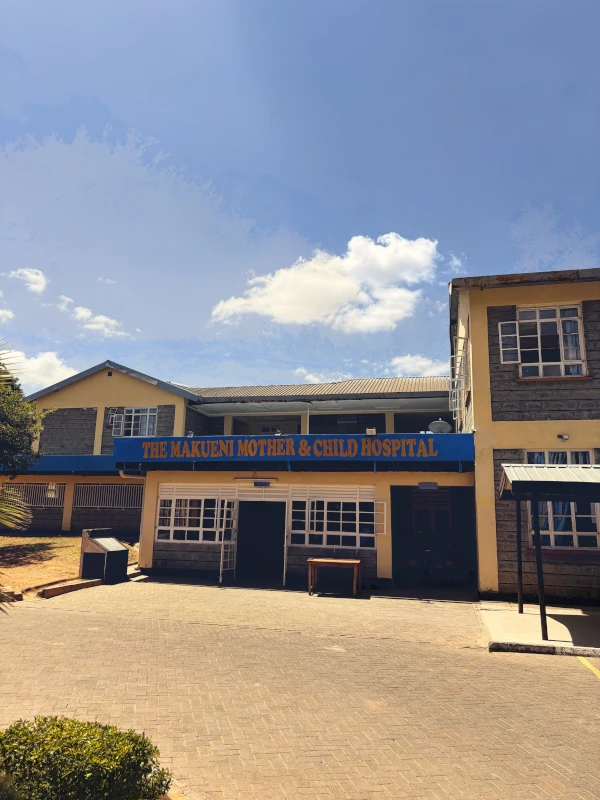
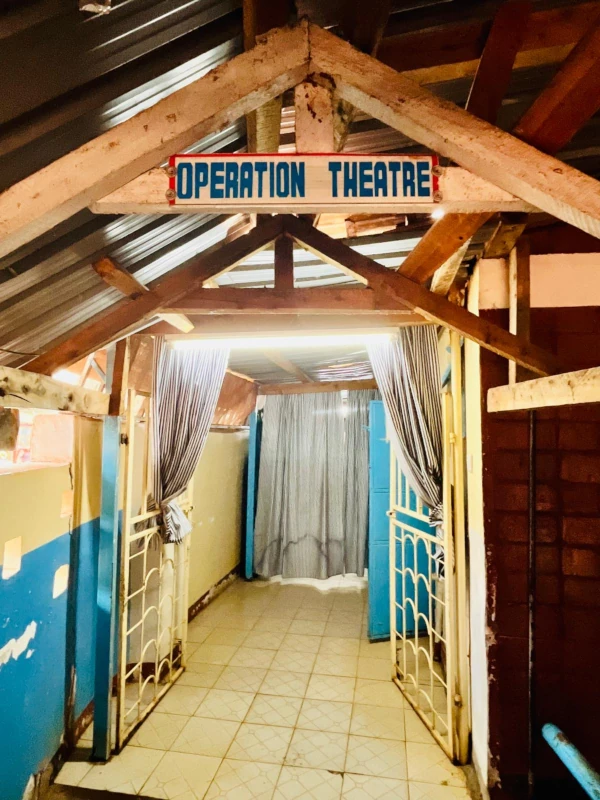
A dispensary without power cannot run a cold chain, light a theatre or charge a device. A health centre without a connection cannot transmit an image, reach a specialist, or record a birth in the national system.

Connectivity as clinical infrastructure

These are not adjacent problems to be solved by someone else once the clinical work is done. They are the precondition for it, and treating them as infrastructure policy rather than as health policy is why so much clinical technology arrives and then stops.

So we treat connectivity and power as clinical infrastructure. Our Statutes give us the express purpose of facilitating access to reliable and affordable connectivity in settings where the internet has never been stable, and we work on it directly rather than waiting for it.

Last mile connectivity

Fibre where it reaches, fixed wireless and community networks where it does not, and satellite where nothing else will arrive this decade. We work with operators to bring facilities onto terms a county health budget can actually carry, rather than terms that lapse when a grant ends.

Solar and resilient power

A connection is only as good as the electricity behind it. Solar generation with storage sized for the clinical load, so that a theatre light, a cold chain and a router survive an outage rather than failing together at the moment they are needed.

The clinical layer

Infrastructure is not the outcome. Once a facility is connected and powered, we bring what makes that matter: remote mentorship, referral support, training, clinical decision tools and the evidence that shows whether any of it changed patient care.

Why the health facility comes first

The health facility is a strong anchor for rural infrastructure, and the reason is economic rather than sentimental. A dispensary operates continuously rather than in term time. It has staff presence, security and a clinical case for connectivity that a public health budget will fund from its own resources.

That changes what an operator can justify building, and once the connection reaches the facility, the school and the community services beside it can be served on the same infrastructure at marginal cost.

Building change for the community
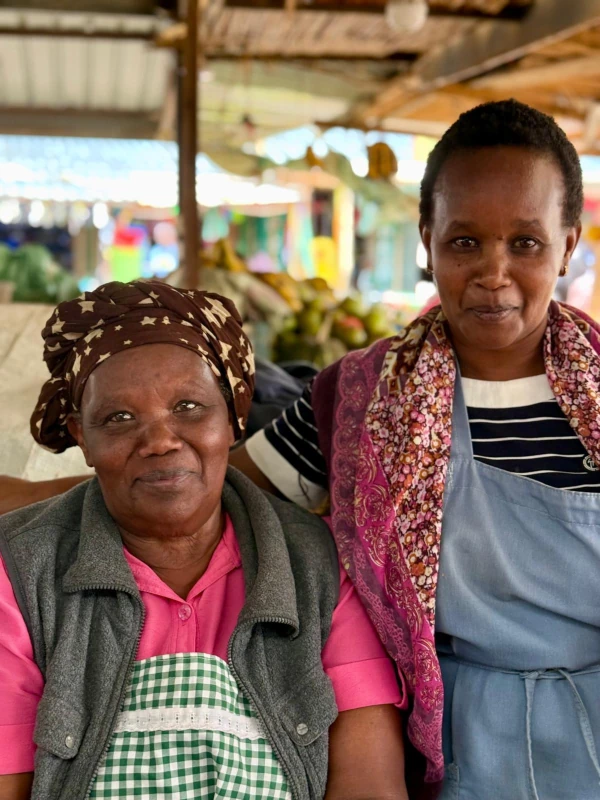
We work with connectivity providers, energy partners, county governments and technology companies to bundle these together, because a facility that receives them one at a time usually receives none of them.

Tell us

where the gap is

We only take on a handful of engagements each year. If what you’re building doesn’t fit neatly into a category, that’s usually a good sign.
Scroll to Top